
A phone screen is usually the first short conversation that decides whether you move forward. You do not need a perfect performance, but you do need a clear reason for this role, a few useful stories, and a calm setup that lets the interviewer hear you properly.
The best phone screen interview tips are simple: prepare your opening, match your examples to the job, listen closely, and finish with thoughtful questions. Treat it like a real interview, because it is one.
What is the interviewer trying to learn on a phone screen?
The interviewer is checking whether your experience, interest, availability, and communication make sense for the next step. They are not expecting a full career history. They want a clear version of who you are, what you have done that relates to this work, and why this opportunity caught your attention.
Keep your answers conversational rather than reciting a script. If they ask about your background, give a short path from your current or recent work to the role. For example: “I have spent the last two years supporting customer accounts, where I became known for solving urgent problems calmly. This role stood out because it combines that customer contact with more ownership of the account plan.”
How can you prepare in 30 minutes without cramming?
Start by reading the job description once more and circling the three responsibilities you can support with a real example. Then look at the company’s own site and find one product, customer group, or recent announcement that you can mention naturally. You are preparing for a conversation, not trying to memorise their entire business.
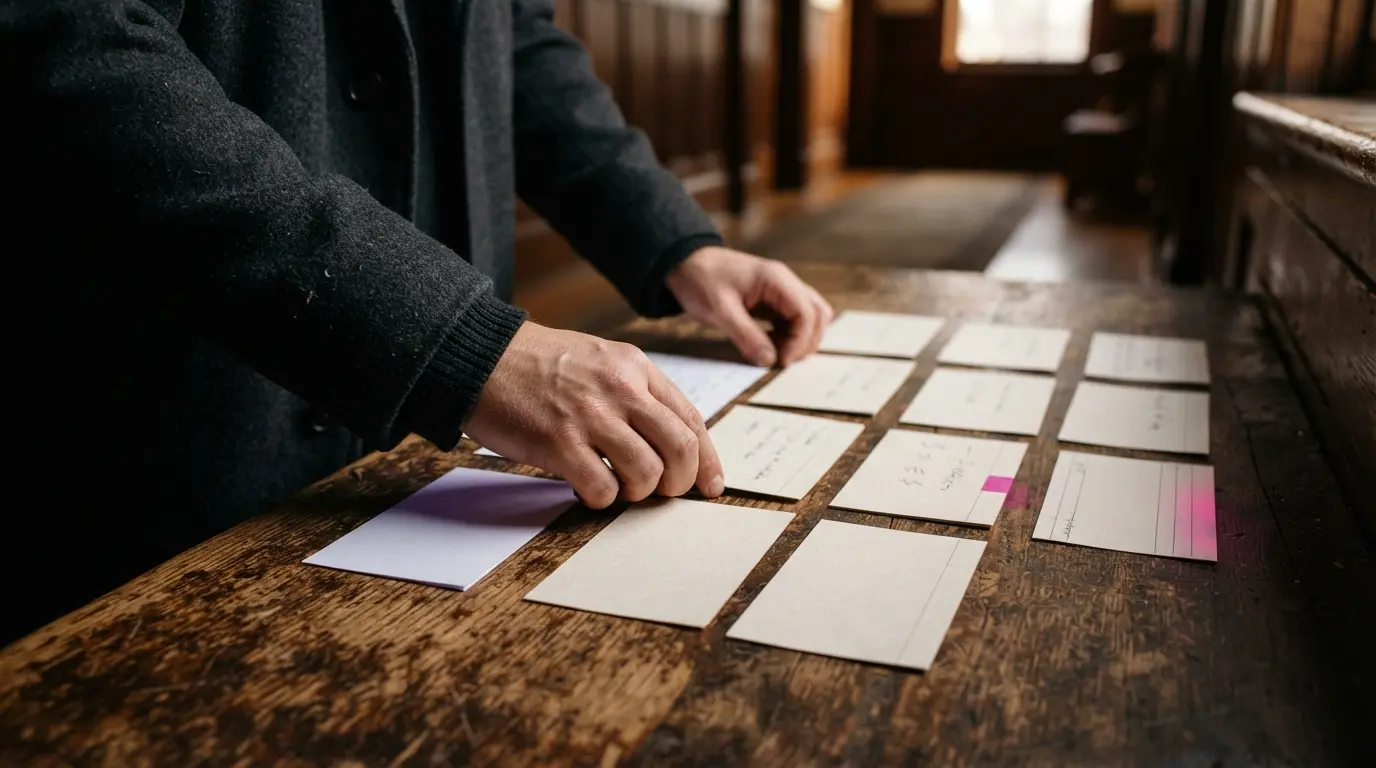
Use the remaining time to write short prompts, not full answers. Keep one prompt for your introduction, two stories that show relevant work, your salary or availability response if you need it, and three questions for the interviewer. A short note is easier to glance at than a dense page when the call begins.
Which phone screen interview questions should you rehearse?
Most phone screens return to a small set of questions: tell me about yourself, why this role, why now, what have you done that is similar, and what are you looking for next. Prepare the shape of your answer, then let the wording stay natural. Your answer should make it easy for the interviewer to ask the next useful question.
For behavioural questions, describe the situation briefly, explain what you did, and say what changed because of your work. That keeps the focus on your judgment instead of burying it under background details. If the conversation later becomes a group discussion, these panel interview tips can help you adapt the same stories for several listeners.
How should you set up the call itself?
Choose a private room with reliable signal, a charged phone, water, and notifications turned off. Use headphones only if you have tested them and know they improve the sound. Keep the job description and your short prompts nearby, but do not shuffle paper or type while someone is speaking.
Answer with your name, then give the interviewer a second to confirm that both of you can hear clearly. If the line drops, reconnect once and send a brief email if you cannot reach them. Staying matter-of-fact about a glitch is better than apologising for it repeatedly.

How do you sound confident when nobody can see you?
Slow down slightly and let the question finish before you answer. A pause of a few seconds sounds thoughtful, especially if you say, “Let me think of the clearest example.” Smile only if it helps your voice feel open, then focus on being specific rather than trying to sound impressive.
If nerves make your thoughts race, keep your feet on the floor and take one quiet breath before each longer answer. You can practise this with a friend, or use a live practice session to hear where your answers become vague. Hiintly can surface resume-personalised practice prompts during a free 10-minute session, which is enough time to notice whether a different preparation rhythm helps you.

What should you ask before the call ends?
Ask about the work you would handle first, how the team measures a good start, or what the next stage looks like. These questions show that you have listened and help you judge the opportunity too. Avoid asking everything at once, because two well-chosen questions make more room for a real answer.
Before you hang up, confirm the next step and thank them for the conversation. Send a short follow-up note that refers to one detail you discussed, then leave the rest alone until they respond. A clear call and a considerate follow-up do more for you than a long message sent from panic.
Frequently Asked Questions
- How long is a phone screen interview?
- The interviewer should tell you the planned length. Prepare concise answers so you can leave time for questions and the next steps.
- What are the most common phone screen interview questions?
- Expect questions about your background, interest in the role, relevant experience, availability, and what you want next.
- Should I use notes during a phone screen interview?
- Yes, use short prompts for examples and questions, but avoid reading full answers because it can make your voice sound scripted.
- How do I prepare for phone screen interview tips at the last minute?
- Read the role, select two relevant examples, check the company’s own site, test your call setup, and prepare a few questions.
- What should I ask at the end of a phone screen?
- Ask about the first priorities in the role, how the team works, or what the next interview stage involves.