Panel interviews feel intense because you are tracking several people, not because they demand a completely different version of you. The useful panel interview tips are simple: learn who is in the room, prepare a few flexible stories, answer the person who asked while including the rest of the group, and leave with a clear follow-up plan. You do not need to perform for six people at once. You need to make each person feel included in one honest conversation.
A panel interview is a job interview where two or more people meet you together. The group might include your future manager, a teammate, a cross-functional partner, or someone from recruiting. Their questions can come quickly, but a panel has one quiet advantage: you can show how you listen, adapt, and make a room feel easy to work in.
What makes a panel interview different from a one-to-one interview?
The practical difference is attention management. In a one-to-one conversation, you can settle into one person's pace and expressions. In a panel, one interviewer may lead while another takes notes, one may care about the details of the role, and another may be watching how you explain yourself. Trying to guess everybody's opinion in real time will make you rush.
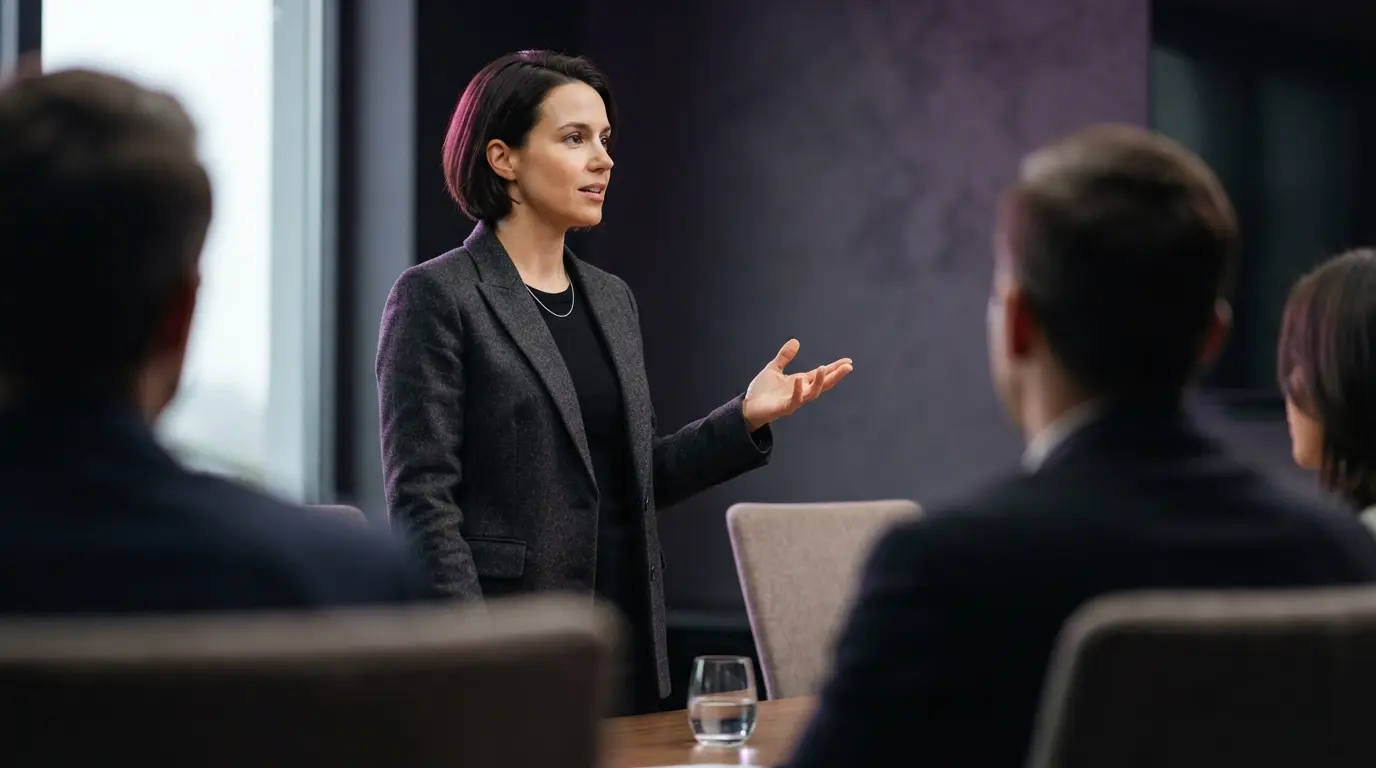
Treat the group as one conversation with several points of view. Start each answer with the person who asked, then bring your eyes briefly around the room as you explain the example. You are not distributing eye contact by stopwatch. You are showing that you understand an answer can matter to more than one person.
A good panel answer also has a clean shape. Give your point first, add the example that proves it, then stop long enough for the next person to come in. Long answers feel safer when you are nervous, yet they can make a panel lose its opening to ask the follow-up that would help you most. If a question asks how you handled conflict, say what you did, name the result, and leave room for them to ask what happened next.
The format can expose a common interview habit: answering the most senior-looking person instead of the person who asked. Avoid that pull and answer the person who asked. A junior teammate may be the person who will work with you most often, and their question deserves the same care as anyone else's.
How should you prepare for the people in the room?
Ask for the names and roles of the panel before the interview if you have not received them. Coursera recommends finding out who will participate, what they do, the likely format, and whether you will need to bring work samples or complete a task. That small bit of context changes preparation from vague research into useful preparation.
Make a one-page private map for yourself. Write each name, role, and one question that person may care about. A hiring manager may want to hear how you set priorities. A future peer may want to know how you handle feedback. A partner from another team may be testing whether you can explain your work without making it sound mysterious. You are not trying to predict their script. You are giving your examples several useful doorways.
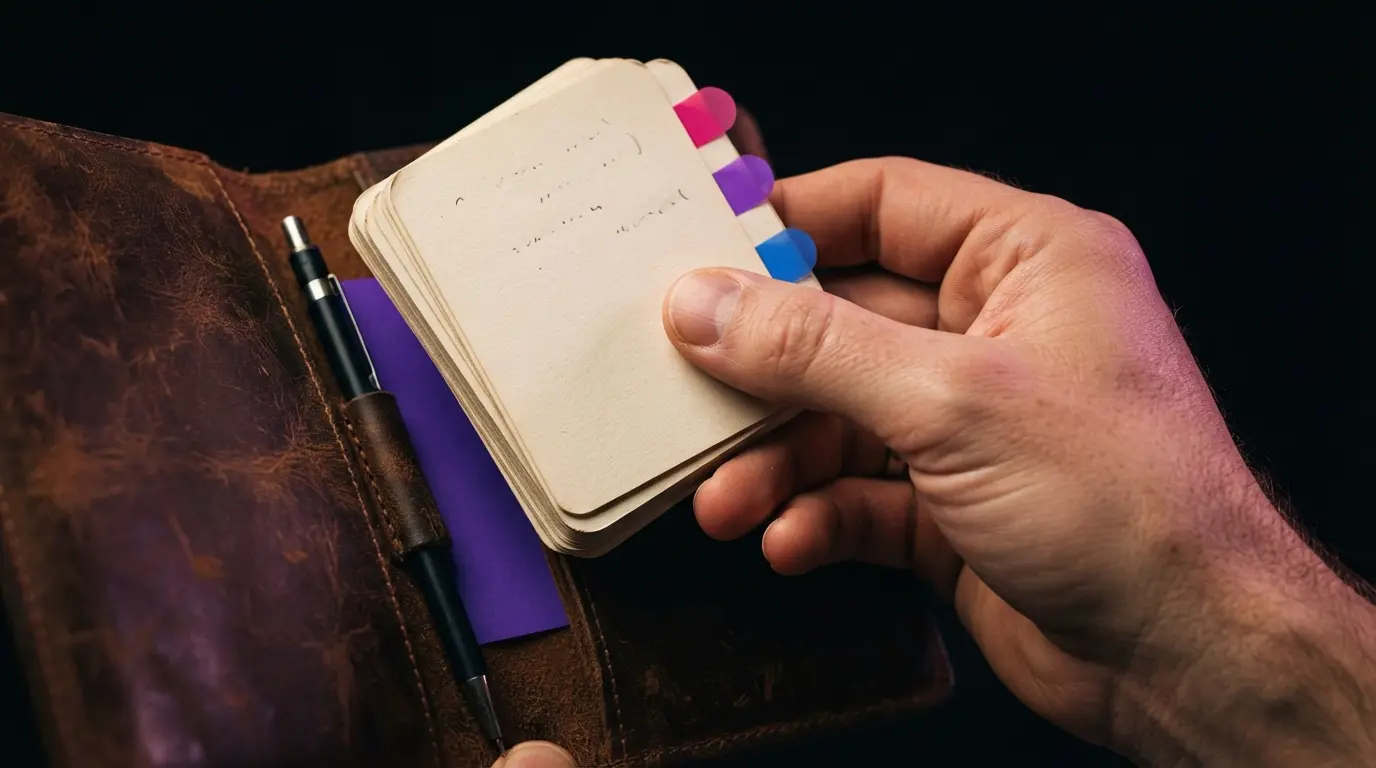
Build three stories before you build ten. Pick one about a result you helped create, one about a difficult working relationship or setback, and one about learning something fast. For each story, write a plain opening sentence that explains the situation without a long backstory. Then keep the details ready if they ask. This is a more natural use of the STAR method than reciting a rigid formula.
It also helps to prepare a short answer for the obvious opening question about yourself. Keep it tied to the role: where you have been, what kind of work you are strongest at, and why this next step makes sense. That answer becomes your first chance to set a calm pace, especially if the panel begins with introductions around the room.
Handle the ordinary logistics well before interview day. USC's interview guidance calls out research, rehearsal, questions for the panel, and getting your materials ready before the day. For an in-person meeting, bring a pen and a small notebook if that feels natural. For a video panel, test your sound, light, and joining link before the appointment. You want your attention available for people, not saved for a missing charger or unfamiliar building entrance.
If you have a video interview and want a rehearsal that feels closer to the live moment, an AI interview copilot guide can help you think through what real-time support should and should not do. The point is still your own preparation and judgement, not a memorized performance.
How do you answer one person without losing the rest of the panel?
Use a small, repeatable answer movement throughout the conversation. Listen to the questioner all the way through. Begin your reply looking at them. As you explain the key action or example, include the rest of the panel with natural glances. Finish back with the person who asked, or with the person whose concern your last point addresses. This rhythm feels like conversation because it is conversation.
You do not need to stare equally at every face. Equal attention does not mean mechanical attention. If one person asked about reporting, it is reasonable to spend more time with them while you explain how you chose the information that mattered. If someone else looks ready to speak, finish the thought and let them enter rather than talking over the opening.
Coursera advises candidates to pause after a question, speak clearly, ask for clarification when needed, and take their time. That pause is especially valuable in a panel. It gives you a second to decide whether the question is asking for a principle, an example, or a decision you made. A short pause also tells the room that you heard the full question, rather than grabbing the first familiar phrase.
Try this answer frame when a question is broad: "The first thing I would do is [action], because [reason]. In a similar situation, I [brief example], and it led to [result]." Then stop. If they want the longer version, they will ask. The frame keeps you from making a useful answer sound like a speech.
When panel members interrupt or build on one another, do not treat it as a trap. Say, "Yes, and that connects to your question about..." then answer the new point. If you need a moment, say, "I want to make sure I answer both parts clearly." Those are ordinary conversational signals, and they are much better than pretending you caught every detail.
A panel can include people with different levels of knowledge about your field. Explain your work in normal language first, then add the technical detail if the question asks for it. The person who knows the work deeply will hear the substance. The person from another function will still understand why your decision mattered.
What should you do when you do not know an answer?
The worst response is an invented answer delivered with confidence. Panels often include people who know different parts of the job, so a shaky claim has more chances to fall apart. It is completely acceptable to say that you have not handled that exact situation.
Then show your thinking in a practical order. Start with the information you would need. Explain who you would involve or where you would check your assumptions. Say what you would do first while you learned more. This is not a dodge if you are specific. It shows the room that you can make progress without guessing.
For a technical question, you might say that you would clarify the constraints, name the trade-off you are considering, and talk through a first approach. For a customer or project question, you might explain whose perspective you would gather before deciding. The details will depend on the role, but the habit is the same: tell the truth about what you know and make your next step visible.
If nerves make your mind go blank, buy a small amount of time honestly. Ask whether you can take a moment to think. Repeat the question in your own words to make sure you understood it. Take a sip of water, then begin with the part you do know. A blank moment is not evidence that you are unprepared. The recovery matters much more than pretending it did not happen.
How can you keep nerves from taking over the conversation?
A panel interview often feels bigger because several faces are watching at once. That feeling does not mean you are failing. It is your body noticing that the setting matters. Treat the first minute as a settling period rather than a judgement on your whole performance.
Arrive early enough that you are not entering the room while still catching your breath. Before you join, loosen your shoulders, put both feet on the floor, and take a slower exhale than inhale for a few breaths. You are not trying to erase nerves. You are giving your voice a steadier starting point.
Decide what you will do if you lose your train of thought before it happens. A simple line such as, "Let me give you the clearest example", can bring you back to the story you prepared. If you speak too quickly, pause after the main point and let the silence do its job. Most panels will read a thoughtful pause as care, not weakness.
It is also useful to remember that a panel is evaluating the work relationship from both sides. USC notes that meeting several people can give a candidate a view of how the group interacts. Notice whether people listen to one another, whether questions are clear, and whether you can imagine working in that rhythm. You are there to learn about the team as well as to explain your fit.
What questions should you ask a panel interview team?
Prepare questions that invite more than a rehearsed company pitch. The best questions help you understand how the people in the room work together. You can ask how decisions move between the functions represented, what would make someone successful in the first few months, or where the team is trying to improve its process.
Keep the questions connected to people you have actually met. If the future manager spoke about a busy period, ask what support the team uses when priorities collide. If a peer described a handoff, ask what makes that handoff work well. That follow-through shows that you were listening instead of waiting for your turn to speak.
Avoid turning the final minutes into a long questionnaire. Choose two or three questions you genuinely care about. If the panel has already answered one during the conversation, say so and choose another. That small acknowledgement makes the interaction feel attentive.
If you are preparing for a role where you may be asked to discuss live work or solve a problem aloud, this guide to choosing an AI interview tool offers a useful way to separate practice support from live guidance and to think about privacy and employer rules. Whatever support you use, stay within the expectations you have been given and make sure you can explain your own thinking.
How should you close and follow up after a panel interview?
Close the meeting by thanking the group and checking whether there is anything else you can clarify. If it feels appropriate, ask about the next step and timing. You do not need a grand final statement. A calm, direct close is enough.
Afterward, write down the names, topics, and moments that stood out while they are fresh. If you send follow-up notes, make each one personal without writing a separate essay. Mention a specific part of the conversation, restate your interest in the role, and thank the person for their time. Coursera recommends gathering contact details and following up after the interview, which is sensible because it lets you respond while the conversation is still clear.
Do not replay every facial expression on the way home. Panels can be quiet because one person is taking notes, another is deciding what to ask next, and another is simply listening. Judge your performance by things you can actually assess: did you answer honestly, make your examples understandable, include the room, and ask the questions you needed answered?
If you have another interview ahead, review the two questions that felt hardest and practice answering them aloud once or twice. Hiintly's free 10-minute session can be enough to feel what it is like to hear a question and shape a response live, provided you use it responsibly and follow the employer's rules. The useful goal is not perfect wording. It is being able to think clearly when a real person asks the next question.
What should you remember on the day of a panel interview?
Bring a simple plan, then let the conversation breathe. Learn who is in the room, keep three adaptable stories ready, answer the questioner first, and give everyone a chance to join. When you do not know something, explain how you would find the answer. When you feel nerves, slow your pace instead of trying to hide them.
The panel does not need a polished speech. It needs a clear sense of how you work with people, how you reason through a problem, and what it would feel like to have you in the room. Those are things you can show one thoughtful answer at a time.
How should you adapt to an online or mixed panel?
The same attention rules apply when some people are on screen and others are in the room, but the setup deserves more care. Ask before the interview whether everyone will be remote, whether you will be expected to present, and whether there is a shared document or task. Those details tell you what to test and what to bring.
For a remote panel, place the camera near eye level and make sure your face is easy to see. Keep the window or lamp in front of you rather than behind you. Close unrelated tabs and silence notifications before you join. These are small choices, yet they remove distractions that make it harder to listen. You do not need an elaborate home setup. A quiet, stable, well-lit spot is usually enough.
When the group is remote, names can disappear behind small tiles and delayed audio can make people speak over one another. Wait a beat after a question ends before you begin. If you cannot tell who asked a follow-up, say, "Could you repeat your name before I answer?" That is respectful and practical. If someone joins late or drops from the call, let the interviewer leading the meeting decide how to proceed rather than filling the silence yourself.
For a mixed panel, speak to the people physically present and periodically look toward the camera so remote participants are not left outside the conversation. If you are sharing a document or a short presentation, narrate what you are doing in plain language. People on a smaller screen may not catch the detail that feels obvious from the room.
Have a backup plan for technical trouble. Keep the meeting link and recruiter contact information easy to reach, use headphones if your room has echo, and know whether you can move to a phone call if your connection fails. If the connection breaks, send a brief message explaining that you are reconnecting. Calm communication about a glitch usually matters more than the glitch itself.
Frequently Asked Questions
- What are the best panel interview tips for making eye contact?
- Begin with the person who asked, then include the rest of the group with natural glances while you explain your example. Finish with the questioner or the person whose concern you addressed.
- How should I prepare for a panel interview?
- Ask who will attend, learn their roles, prepare three flexible stories, practice a short introduction, and bring two or three questions that help you understand how the team works.
- What should I do if I do not know a panel interview answer?
- Say that you have not handled that exact situation, then explain what information you would gather, who you would involve, and what first step you would take.
- How many questions should I ask in a panel interview?
- Prepare two or three questions you genuinely care about. Choose questions that build on the conversation rather than repeating something the panel already covered.
- Should I send a thank-you note after a panel interview?
- A short personal note can be useful. Thank each person, mention one specific part of the conversation, and restate your interest in the role without turning the note into another long application.